
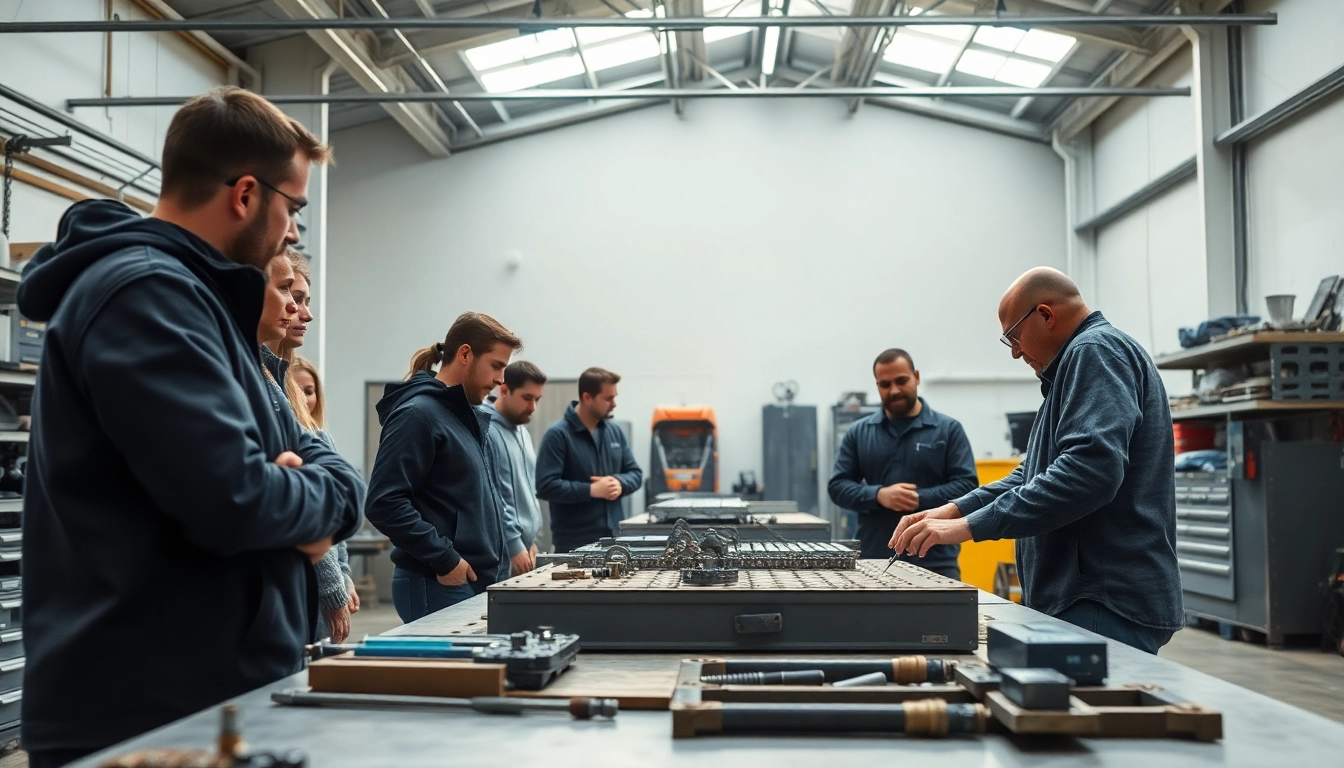
Introduction to Sheet Metal Training
What is Sheet Metal Training?
Sheet metal training encompasses the educational programs and practical experience required to master the skills necessary for working with sheet metal. This training often includes lessons in design, fabrication, and installation of metal products. Participants learn to manipulate metal sheets using various tools and techniques, gaining hands-on experience that prepares them for careers in various industries. Through sheet metal training, individuals acquire the technical knowledge needed to excel in this field.
Importance of Sheet Metal Training
In an era where precision and efficiency are paramount, effective sheet metal training provides crucial skills that increase workplace safety and productivity. Knowledgeable professionals can better handle metal fabrication processes—a key component in numerous industries including construction, automotive, and aerospace. The demand for trained sheet metal specialists is on the rise, especially as more advanced technologies emerge. This training not only enhances individual knowledge but also contributes significantly to the overall quality and success of projects.
Overview of Training Programs
Training programs for sheet metal work vary in duration and depth, often ranging from a few weeks to several months. Comprehensive courses might include classroom instruction paired with practical workshops. Key components of these programs generally cover the principles of metalworking, safety regulations, and the use of industry-standard tools. Internship opportunities and apprenticeships are also commonplace, allowing trainees to gain valuable real-world experience while receiving mentorship from seasoned professionals.
Fundamentals of Sheet Metal Work
Materials Used in Sheet Metal Training
Sheet metal is primarily made from materials like aluminum, stainless steel, and copper. Each material has unique properties, making it suitable for different applications. For instance, aluminum is lightweight and resistant to corrosion, making it ideal for aerospace components. Conversely, stainless steel, known for its strength, is often used in construction and manufacturing. Understanding the characteristics of these materials is critical for any sheet metal worker, as it influences the choice of techniques and tools used during the fabrication process.
Basic Tools and Equipment
Essential tools employed in sheet metal work include snips, shears, and plasma cutters for cutting, as well as fold brakes and hammers for shaping. Additionally, measuring tools such as calipers and squares are indispensable for ensuring accuracy. Each tool serves a specific purpose, and proper training on their use is vital for maintaining safety and achieving high-quality results. Trainees also learn how to maintain equipment, ensuring longevity and reliability of their tools.
Essential Techniques to Learn
Key techniques in sheet metal training include cutting, bending, and joining. Cutting can be performed using various methods, including hand tools and machinery. Bending involves altering the shape of the metal while maintaining its integrity, learned through practice with tools like brakes. Joining techniques such as welding, riveting, and soldering are foundational skills that ensure the durability of the final products. Mastery of these techniques is essential for creating functional and aesthetically pleasing sheet metal products.
Advanced Skills in Sheet Metal Training
Welding and Joining Techniques
Welding and joining techniques form a critical aspect of advanced sheet metal training. Different welding processes, such as MIG (Metal Inert Gas) and TIG (Tungsten Inert Gas), are explored in depth. Each technique has its specific applications, advantages, and challenges. Trainees practice these techniques in controlled environments to understand heat settings, metal interactions, and distortion prevention. Effective joining not only impacts the strength of the metal structures but also affects their aesthetic finish.
Design and Fabrication Principles
The principles of design and fabrication are essential for developing effective strategies for sheet metal projects. Key concepts include reading and interpreting blueprints, which is fundamental for accurate production. Students are also taught the importance of CAD (Computer-Aided Design) software in today’s manufacturing landscape, as it allows for precise modeling and simulation before actual fabrication begins. Understanding these principles enables professionals to optimize materials and processes for efficiency and cost-effectiveness.
Quality Control Measures
Quality control in sheet metal work ensures that products meet the required specifications and safety standards. Techniques such as dimensional inspection, weld testing, and surface finish evaluation are integral parts of the training. Trainees learn to implement quality measures at various stages of production, identifying defects and making necessary adjustments. This focus on quality not only enhances the integrity of the products but also boosts the reputation of the organizations they work for.
Real-World Applications of Sheet Metal Training
Industries Hiring Sheet Metal Professionals
Sheet metal professionals find opportunities in a range of industries, including construction, manufacturing, automotive, HVAC (heating, ventilation, and air conditioning), and aerospace. As these sectors continue to evolve, especially with technological advancements, the skillful application of sheet metal techniques remains in high demand. This versatility allows trained individuals to pivot between various job roles, adapting their skills to suit different industry needs.
Career Paths in Sheet Metal Work
Career paths for individuals trained in sheet metal work can be diverse. Entry-level positions might include sheet metal fabricators or installers, while experienced professionals can advance to supervisory roles or project management. Further specialization may lead to positions such as welding engineers or design technicians. Continuous education and certification can open additional opportunities, ensuring that workers remain competitive in the job market.
Case Studies of Successful Projects
Successful case studies demonstrate how effective sheet metal training can lead to outstanding project outcomes. For example, a renowned architectural firm utilized advanced sheet metal techniques to design a unique roofing system for a public building. The project required meticulous planning, precise fabrication, and expert installation. Trained sheet metal workers played a crucial role in seeing the project through, ensuring each element met strict safety and aesthetic standards. Such projects underline the significant impact of high-quality training in achieving exceptional results.
FAQs about Sheet Metal Training
What qualifications are needed for sheet metal training?
While specific qualifications can vary by program, most require a high school diploma or equivalent. Basic math and technical skills are beneficial for success.
How long does a typical sheet metal training program last?
Most programs last between a few months to two years, depending on the depth of education and whether it includes an apprenticeship.
What topics are covered in sheet metal training courses?
Courses typically cover materials, tools, safety practices, fabrication techniques, welding, and quality control methods essential for sheet metal work.
Are there certifications available in sheet metal training?
Yes, various organizations offer certifications that validate skills in sheet metal work, welding, and fabrication, enhancing employability.
What career opportunities exist after completing sheet metal training?
Graduates can pursue careers as fabricators, welders, installers, supervisors, or even advance into design and engineering roles in various industries.