Understanding Construction Site Safety
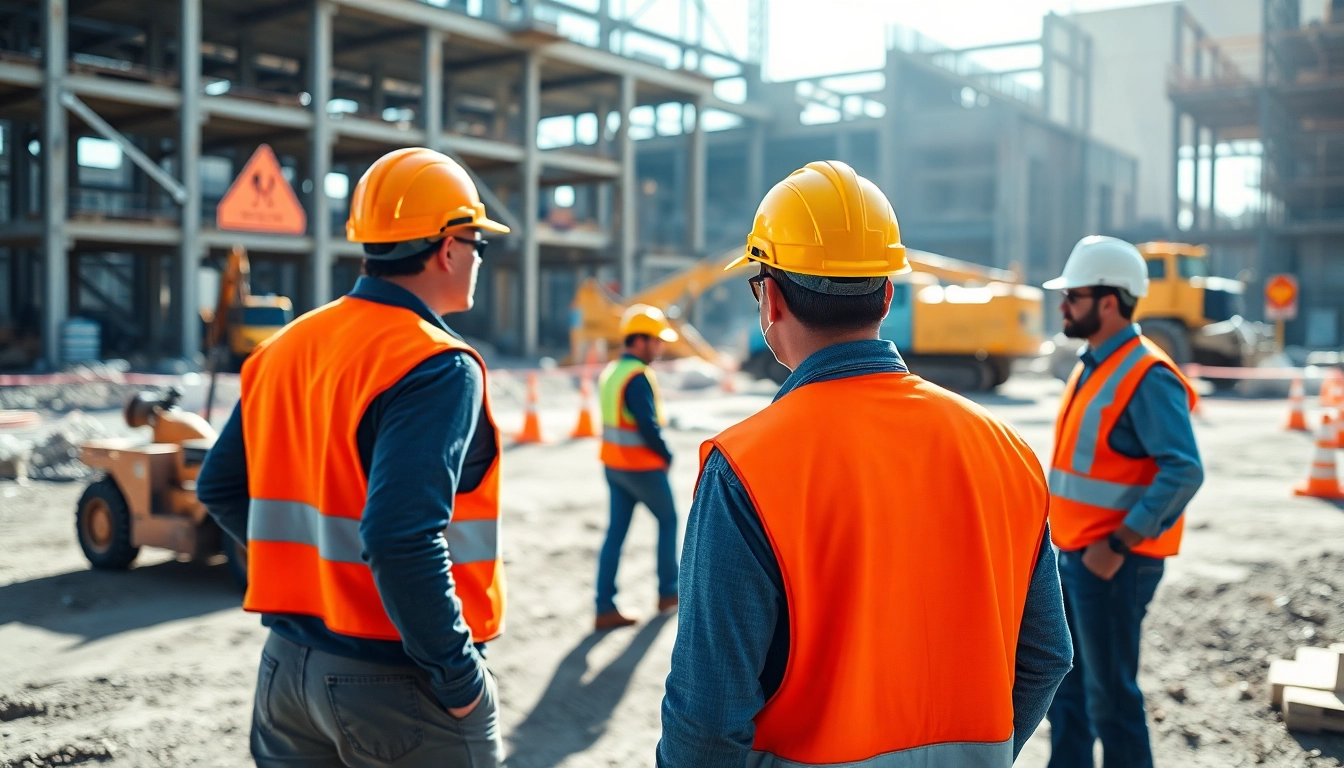
Construction sites are dynamic environments characterized by numerous activities and ongoing processes. As exciting as they can be, they are also rife with potential hazards. The foundation of any successful construction project lies in construction site safety, which involves strict adherence to regulations, systematic hazard assessments, and ongoing safety training. Emphasizing the importance of safety on construction sites not only protects workers but also boosts project efficiency and public trust in construction operations.
Importance of Safety Regulations
Safety regulations are crucial in determining the protocol that workers must follow to minimize risks and enhance safety on construction sites. These regulations are developed by various governing bodies, including federal and state agencies, and are designed to protect workers from occupational hazards. Understanding and complying with these regulations helps reduce injury rates, legal liabilities, and financial losses associated with workplace accidents. Moreover, adherence to safety regulations ensures that a construction project is completed on time and within budget, promoting overall productivity.
Common Hazards on Construction Sites
Construction sites present a variety of hazards that can put workers at risk. Here are some of the most common hazards:
- Falls: These are the leading cause of construction site fatalities. Workers can fall from heights, scaffolds, or open edges.
- Electrical Hazards: Exposed wires, improper use of extension cords, and poor grounding can lead to severe electrical injuries.
- Tool and Equipment Hazards: Improper use or malfunctioning of machinery can cause injuries.
- Material Handling: Lifting heavy materials or improper storage can lead to musculoskeletal injuries.
- Hazardous Materials: Exposure to toxic materials or gases can result in long-term health effects.
Role of Personal Protective Equipment (PPE)
Personal Protective Equipment (PPE) is a vital component of any construction safety program. PPE is designed to protect workers from identified hazards that cannot be completely eliminated through engineering controls or administrative measures. Common types of PPE include helmets, gloves, safety glasses, ear protection, and respirators. Each piece of equipment serves a specific purpose, safeguarding workers from different types of injuries and exposure risks associated with various construction activities.
Best Practices for Enhancing Construction Site Safety
Enhancing construction site safety requires a proactive approach grounded in best practices. Implementing these practices ensures that workers are equipped to handle the challenges posed by their working environment.
Conducting Risk Assessments
Risk assessments serve as the backbone of a robust safety program. A risk assessment identifies potential hazards, evaluates risks, and determines appropriate solutions. Conducting regular risk assessments helps in prioritizing safety measures and allocating resources effectively. It’s beneficial to involve workers in this process, leveraging their on-the-ground insights to uncover potential risks.
Implementing Safety Training Programs
Safety training is essential in fostering a culture of safety on construction sites. Comprehensive training programs should cover topics such as hazard recognition, proper use of PPE, and emergency response procedures. Regular refresher courses and hands-on training sessions can significantly enhance workers’ safety awareness and capability to respond effectively to emergencies.
Establishing Safety Protocols
Creating clear and well-documented safety protocols is critical to maintaining a safe working environment. These protocols should outline safety measures, emergency procedures, and worker responsibilities, ensuring everyone understands the expectations related to safety. Regular updates to safety protocols in response to new regulations or innovative practices keep the team informed and compliant.
Key Safety Equipment for Construction Sites
The right safety equipment can be a game-changer in preventing accidents and injuries on construction sites. Here’s a breakdown of key safety equipment.
Types of Personal Protective Equipment (PPE)
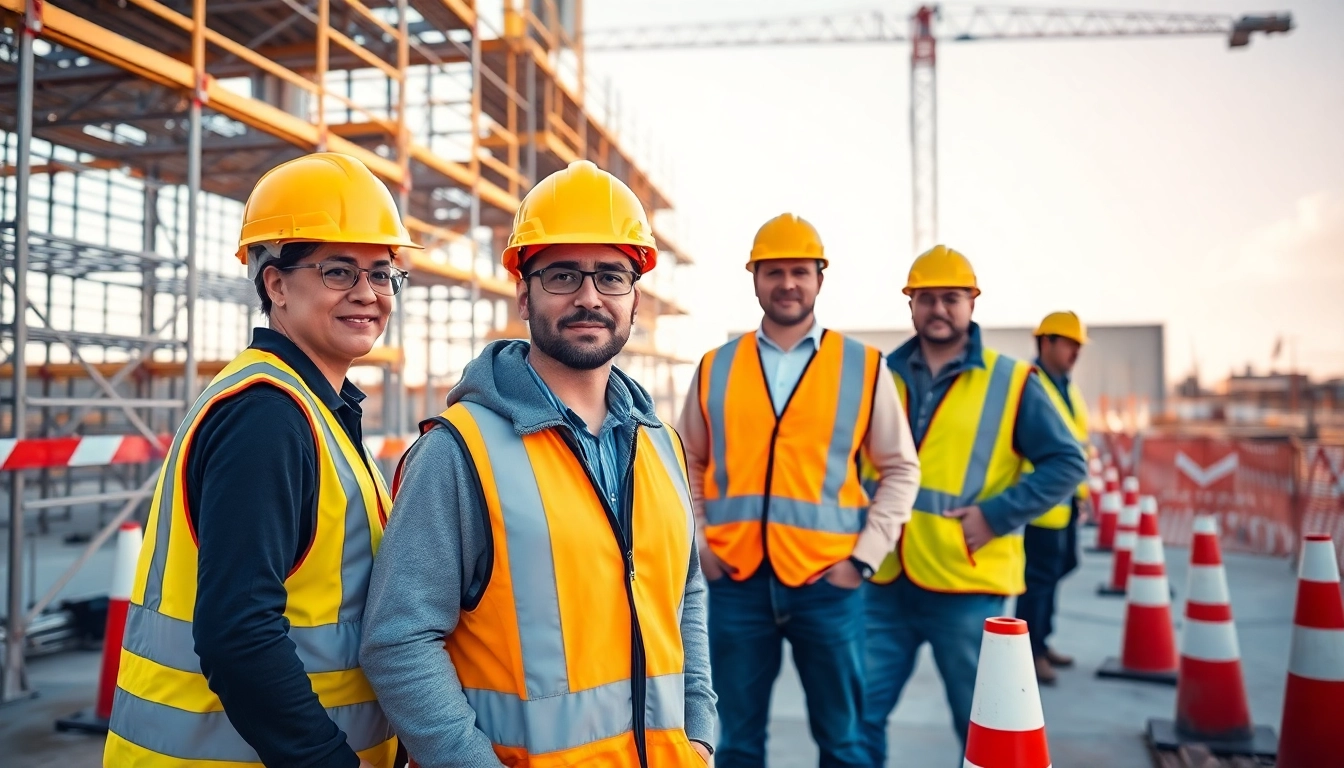
As previously mentioned, PPE is crucial in protecting workers from various hazards. The selection of appropriate PPE is dependent on the specific tasks being performed. Key PPE items include:
- Hard Hats: Protect against head injuries from falling objects.
- High-Visibility Clothing: Enhances visibility, especially in low-light conditions.
- Safety Boots: Protect against foot injuries from heavy materials.
- Gloves: Protect hands from cuts, abrasions, and chemicals.
- Hearing Protection: Reduces noise exposure in loud environments.
Safety Tools and Gear
In addition to PPE, several safety tools and gear can enhance safety on construction sites, including:
- Scaffolding and Ladders: Properly constructed scaffolding and well-maintained ladders prevent falls.
- Safety Nets: Soft nets can catch falling workers or materials.
- Barrier Systems: Physical barriers can protect workers from falling into trenches or pits.
- Fire Extinguishers: Ready access to firefighting equipment is essential in preventing fire-related injuries.
Maintenance of Safety Equipment
Regular maintenance of safety equipment is essential to ensure its functionality. Scheduled inspections and servicing of equipment help identify wear and tear or malfunctioning components, allowing for timely repairs before accidents can occur. Keeping detailed records of equipment maintenance ensures accountability and compliance with safety regulations.
Monitoring and Evaluation of Safety Measures
Monitoring and evaluating safety measures is a continuous process. This assessment ensures the effectiveness of safety protocols and identifies areas needing improvement.
Conducting Safety Audits
Safety audits systematically review safety practices and compliance with regulations. Regular audits can identify weak points in safety protocols and suggest corrective measures, thereby proactively addressing potential hazards. The frequency of audits should match the project size and complexity, ensuring thorough oversight.
Feedback and Improvement Processes
Feedback loops involving workers are vital for safety improvement. Construction teams should encourage reporting near misses and unsafe conditions without fear of repercussions. Such transparency can provide invaluable insights that golden opportunities for improving safety measures.
Using Technology to Enhance Safety
Embracing modern technology can enhance safety protocols significantly. Tools such as drones can conduct site inspections, wearable devices can monitor workers’ health and location, and safety management software can streamline reporting and tracking of incidents. Integrating technology allows for real-time assessments and immediate response to potential hazards, making the workplace safer.
Frequently Asked Questions about Construction Site Safety
What is construction site safety?
Construction site safety refers to the protocols, regulations, and practices implemented to protect workers from hazards associated with construction activities.
How can construction hazards be minimized?
Minimizing hazards can be achieved through thorough risk assessments, effective training, proper use of PPE, and continuous evaluation of safety protocols.
Why is workers’ training important for safety?
Workers’ training is crucial as it equips them with the knowledge to identify hazards and reinforces safe work practices, contributing to a safer workplace.
What are mandatory PPE items for construction?
Mandatory PPE typically includes hard hats, safety glasses, gloves, high-visibility clothing, and appropriate footwear, depending on project requirements.
How often should safety audits be conducted?
The frequency of safety audits should vary based on project size, complexity, and existing safety issues, but regular audits are beneficial to ensure ongoing compliance.