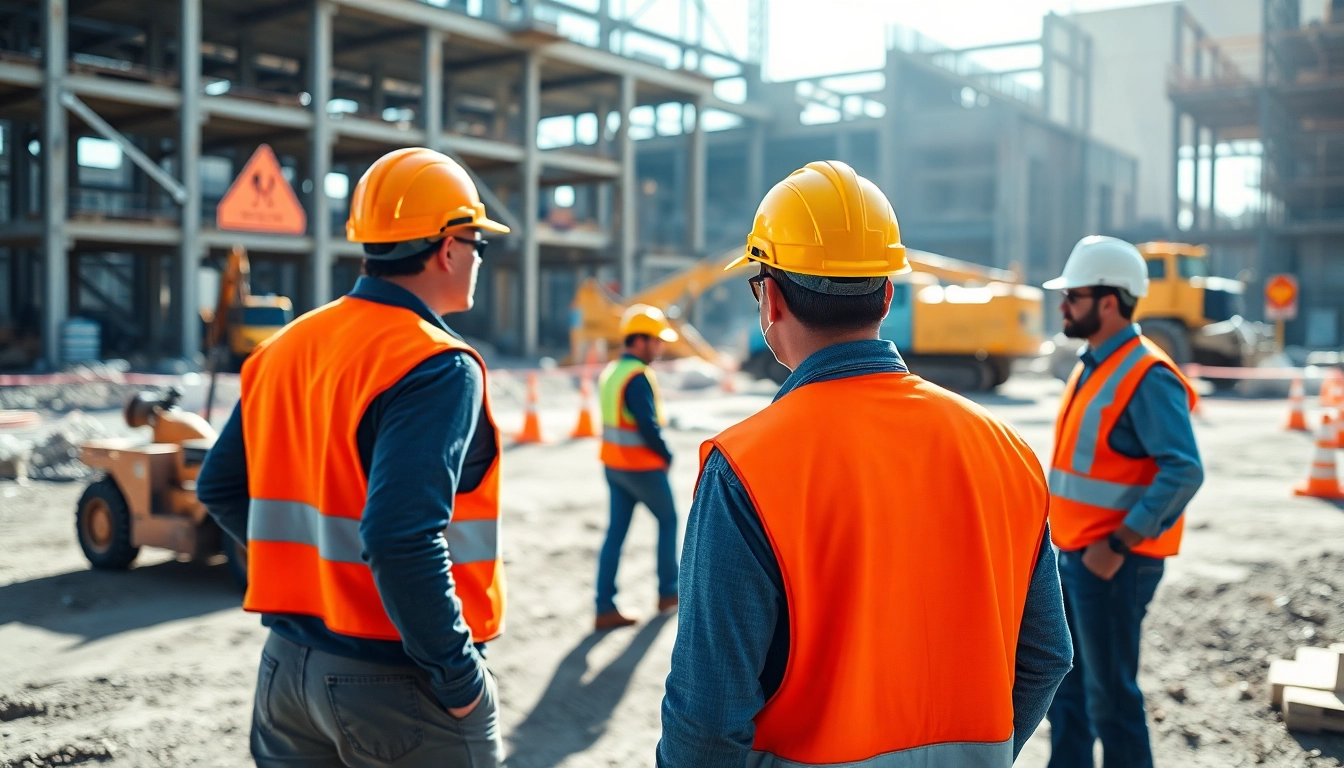

Understanding Construction Site Safety
Construction site safety is a critical aspect of project management that necessitates attention and due diligence. With the potential for hazardous conditions present, it becomes paramount for employers and workers alike to adopt measures that ensure their safety and promote an accident-free workplace. In focusing on construction site safety, we delve into various systematic components that contribute to creating a secure environment for all. By understanding regulations, identifying hazards, and implementing appropriate safety measures, stakeholders can collectively strive for zero injuries on site.
Importance of Construction Site Safety
The importance of construction site safety cannot be overstated. Every year, thousands of construction workers suffer from injuries and fatalities due to neglecting safety protocols. The financial implications are also considerable—the costs associated with injuries, legal disputes, and insurance claims can severely impact a project’s budget and timeline. Moreover, an unsafe environment can result in reputational damage for companies, affecting their ability to secure future contracts.
Prioritizing construction site safety enhances worker morale, fosters a culture of accountability, and bolsters productivity. Employees are more likely to perform effectively in a safe environment, knowing that their well-being is valued. Additionally, it highlights a company’s commitment to ethical practices, helping to attract talent and clients who prioritize safety in their operations.
Key Safety Regulations and Standards
To ensure construction site safety, it is essential to adhere to key regulations and standards set forth by governing bodies. In many regions, these regulations are shaped by organizations such as the Occupational Safety and Health Administration (OSHA) in the United States or equivalent bodies worldwide.
Compliance with these standards mandates that construction sites undertake safety plans, training sessions, and regular inspections. These regulations often dictate requirements for personal protective equipment (PPE), fall protection systems, and proper scaffolding techniques. Understanding and implementing these regulations not only ensures legal compliance but also establishes a foundation for safety culture on-site.
Common Hazards on Construction Sites
Construction sites present a variety of hazards that can pose serious risks to workers. Some of the most common hazards include:
- Falls: Often considered the leading cause of injury, falls from heights without adequate protection can lead to severe injuries or fatalities.
- Electrocution: With heavy reliance on electrical equipment, exposing workers to electrocution risks is a prevalent hazard.
- Struck-by incidents: Objects falling or being thrown on construction sites can cause serious injuries if workers are not adequately protected.
- Caught-in/between hazards: Workers can become stuck between machinery or materials, leading to severe injuries.
- Health hazards: Construction workers may be exposed to hazardous materials such as silica, asbestos, or chemicals without proper safety measures.
Essential Safety Equipment for Construction
Personal Protective Equipment (PPE)
Personal protective equipment (PPE) serves as the last line of defense against workplace hazards and is a fundamental element of construction site safety. Key PPE items include:
- Helmets: Protect against head injuries from falling objects.
- Gloves: Shield hands from cuts, abrasions, and chemicals.
- Work Boots: Designed to prevent foot injuries caused by heavy equipment.
- High-Visibility Clothing: Ensures workers are seen, reducing the risk of accidents.
- Eye and Face Protection: Protects against flying debris and harmful substances.
Providing appropriate PPE is not merely about compliance; it significantly reduces the risk of injury, fostering a safer environment for everyone. Regular inspections and proper maintenance of PPE should also be encouraged to maximize its protective capabilities.
Safety Signage and Communication Tools
Effective communication is vital for ensuring construction site safety. Signage plays a critical role in informing workers of potential hazards, mandatory procedures, and designated safe areas. Key types of safety signage include:
- Warning Signs: Indicates potential hazards that may not be immediately visible.
- Mandatory Signs: Communicate actions required for compliance, like wearing PPE.
- Prohibition Signs: Indicate restricted areas or behaviors that could jeopardize safety.
In addition to signs, effective communication tools, such as radios and mobile apps, can facilitate quick reporting of safety issues and enable instant communication amongst workers. Regular briefings and safety meetings also allow teams to discuss communication strategies to enhance site safety.
Importance of Site Safety Plans
A site safety plan is a comprehensive document that outlines how safety will be managed in a construction project. This plan serves as a roadmap for safety practices on site and must be regularly reviewed and updated, especially when new hazards are identified. Essential elements of a site safety plan include:
- Hazard Identification: Recognizing potential hazards specific to the project.
- Roles and Responsibilities: Clear definition of who is accountable for safety management.
- Emergency Procedures: Steps to be taken in case of an accident or emergency.
- Emergency Contacts: A list of key personnel to be contacted in case of emergencies.
By adhering to a well-structured site safety plan, companies can significantly mitigate risks and ensure a proactive rather than reactive approach to safety.
Training and Awareness Programs
Onboarding New Workers in Safety Protocols
An essential step in fostering a culture of safety involves effective onboarding programs for new workers. These programs should cover:
- Company Policies: Overview of organizational safety guidelines and procedures.
- PPE Usage: Training on how to correctly use and maintain personal protective equipment.
- Emergency Procedures: Familiarization with the emergency protocol specific to the site.
Utilizing hands-on training and mentoring new employees can enhance their understanding of safety protocols, ultimately leading to a more skilled and safety-conscious workforce.
Continuous Safety Training Initiatives
In addition to onboarding, ongoing safety training initiatives are vital to keep safety awareness at the forefront of daily operations. These initiatives can take many forms, such as:
- Regular Safety Meetings: Scheduled gatherings to review safety practices and address concerns.
- Workshops and Seminars: Opportunities for workers to learn about new regulations or equipment.
- Job-Specific Training: Tailored training sessions to address the unique hazards associated with specific roles.
Continuous education fosters an environment of alertness, enabling workers to adapt to new challenges as they arise.
Promoting a Culture of Safety
Creating a culture of safety is an ongoing commitment that involves every level of the organization. Strategies to promote this culture include:
- Leadership Commitment: Demonstrating top-down commitment to safety by involving executives and managers in safety initiatives.
- Worker Involvement: Encouraging workers to participate actively in safety discussions and decision-making processes.
- Recognition Programs: Implementing reward schemes for individuals or teams that demonstrate excellent safety practices.
By embedding safety into the organization’s values, it ensures that employees see safety not merely as a duty but as an integral aspect of their work.
Conducting Safety Inspections and Audits
Regular Site Inspections Procedures
Conducting regular site inspections is a pivotal practice for maintaining construction site safety. Inspections should be systematic and can include the following procedures:
- Daily Walkthroughs: Quick checks to identify immediate safety concerns.
- Weekly Inspections: More detailed assessments focusing on specific hazards.
- Monthly Audits: Comprehensive reviews to evaluate safety compliance and effectiveness of safety programs.
These inspections should be documented to track safety progress and highlight areas needing improvement.
Identifying and Mitigating Risks
Identifying risks is central to the inspection process. Employing risk assessment tools can help recognize potentially hazardous situations before they cause issues. When risks are identified, immediate actions should be taken to mitigate them, such as:
- Implementing New Safety Measures: Introduce additional PPE or equipment if necessary.
- Training Updates: Provide additional training to address newly recognized hazards.
- Redesigning Workflows: Modify tasks to eliminate hazards or reduce exposure to risks.
A proactive risk management approach enhances the safety culture and minimizes accidents.
Reporting and Documentation of Safety Issues
Lastly, reporting safety issues and documenting findings is essential to ensure accountability and transparency. Establishing a clear reporting process for any safety incidents encourages workers to voice their concerns and can lead to significant improvements. Essential components include:
- Incident Report Forms: Templates for documenting accidents and near misses.
- Safety Data Sheets: Providing information on hazardous substances present on-site.
- Regular Review of Reports: Analyzing incidents to identify patterns or frequent hazards.
Clear documentation fosters an understanding of safety dynamics within the organization, facilitating the implementation of effective preventive measures.
Emergency Preparedness and Response
Creating an Emergency Action Plan
Having a robust emergency action plan is essential for minimizing the risks associated with emergencies on construction sites. An effective plan should address the following components:
- Emergency Contacts: A list of all essential contacts, including first responders and site management.
- Evacuation Routes: Clearly defined paths to safety in various emergency situations.
- Emergency Equipment: Locations of first aid kits, fire extinguishers, and emergency supplies.
Regular drills should be conducted to familiarize workers with these procedures and ensure preparedness in case of an actual emergency.
Roles and Responsibilities in Emergencies
Defining roles and responsibilities during emergencies places clarity on actions to be taken. Essential roles may include:
- Site Safety Officer: Responsible for ensuring compliance with safety protocols and leading drills.
- First Responders: Trained personnel or designated workers who provide initial assistance during emergencies.
- Site Manager: Coordinates emergency responses and communication between teams and responders.
Training team members on their specific roles fosters a collective effort during emergencies.
Drills and Training for Emergencies
Conducting regular emergency drills is crucial for ensuring that all workers know how to respond in an actual emergency. Types of drills can include:
- Fire Drills: Practice protocols related to evacuation and fire safety.
- Medical Emergency Drills: Simulate response actions for injuries and accidents.
- Weather-Related Drills: Prepare workers for extreme weather events, such as storms or tornadoes.
Consistent practice alleviates panic and confusion during real emergencies, ultimately enhancing overall site safety.
Frequently Asked Questions
What is the most critical aspect of construction site safety?
The most critical aspect is the identification and mitigation of hazards. Understanding risks on-site empowers workers to take appropriate measures to ensure safety.
How often should safety training occur?
Safety training should be continuous. Regular training sessions should be held, especially when new hazards or practices are introduced.
What types of PPE are mandatory on construction sites?
Mandatory PPE typically includes hard hats, safety glasses, gloves, high-visibility clothing, and steel-toed boots, depending on the work environment.
How do I report a safety violation at work?
Employees should report safety violations to their supervisor or safety officer immediately, utilizing established reporting channels for documentation.
What should be included in an emergency action plan?
An emergency action plan should include emergency contacts, evacuation routes, emergency equipment locations, and roles and responsibilities during an emergency.